

Youth market research refers to specialized studies that examine the preferences, behaviors, and trends of children, teenagers, and young adults, typically aged 8 to 24. It combines qualitative and quantitative methods tailored to this demographic to provide brands with reliable data for product development, marketing strategies, and cultural relevance. Leading agencies in this space prioritize ethical recruitment, age-appropriate tools, and compliance with privacy standards like COPPA to ensure authentic results.
Youth audiences shape trends that often spread to broader markets. Brands that invest in targeted research gain clarity on shifting values around sustainability, technology, and social issues. Professional agencies help translate these insights into practical decisions that support long-term growth.
Why Youth Market Research Matters for Brands Today
Young consumers wield significant spending power and influence family purchases. Their rapid adoption of digital platforms and social media creates both opportunities and challenges for businesses. Effective research reveals not only what they buy but why they choose certain brands over others.
Generations such as Gen Z and Gen Alpha prioritize authenticity, inclusivity, and purpose-driven companies. Traditional methods often fall short because these groups respond differently to surveys and discussions. Specialized approaches account for short attention spans, mobile-first habits, and privacy concerns.
Research in this area supports decisions across product innovation, advertising campaigns, and customer experience design. Companies that understand youth perspectives reduce the risk of missteps and increase relevance in competitive markets.
Key Challenges in Conducting Youth Market Research
Engaging younger respondents requires careful planning. Standard adult-focused tools can feel boring or intrusive to teens and kids. Privacy regulations add layers of complexity, demanding strict consent processes and secure data handling.
Recruitment presents another hurdle. Reaching representative samples demands access to verified panels or creative outreach methods that respect age-appropriate channels. Response rates tend to drop without engaging formats such as gamified surveys or short video responses.
Cultural sensitivity matters as well. Youth values evolve quickly across regions and subcultures. Agencies must stay current with platforms, slang, and emerging influences to avoid outdated assumptions.
What Sets the Best Youth Market Research Agencies Apart
Top agencies combine deep demographic expertise with advanced methodologies. They maintain large, compliant panels of young participants and use mixed methods that blend surveys, interviews, ethnography, and digital tracking.
Ethical practices stand out as a core feature. Reputable firms emphasize transparency, participant safety, and unbiased reporting. They often include parents or guardians where required and provide clear explanations of how data will be used.
Innovation in tools also distinguishes leaders. Mobile apps, online communities, and AI-assisted analysis help capture real-time insights while keeping sessions fun and interactive. Many offer syndicated reports alongside custom projects to suit different budget levels.
Core Services Offered by Leading Agencies
- Quantitative surveys and large-scale tracking studies
- Qualitative focus groups and in-depth interviews adapted for youth
- Ethnographic and observational research in natural environments
- Trend forecasting and cultural intelligence reports
- Product testing and concept evaluation with age-appropriate feedback
- Family dynamics and parent-youth co-research
How to Choose the Right Youth Market Research Partner
Start by defining your objectives clearly. Are you exploring new product ideas, testing messaging, or tracking brand perception over time? Alignment on goals helps narrow options.
Evaluate experience with your specific segment, whether tweens, teens, or young adults. Request case studies or examples from similar industries to assess relevance.
Consider methodology and technology. Strong partners explain how they ensure data quality and participant engagement. Look for firms that offer hybrid approaches combining online and offline elements.
Budget and timeline matter, but value should guide the decision. Comprehensive insights often deliver higher returns than cheaper, generic data. Check references and review how previous clients applied the findings.
Comparison Table: Factors to Evaluate Youth Research Agencies
| Factor | Why It Matters | What to Look For |
|---|---|---|
| Demographic Expertise | Ensures relevant insights | Dedicated youth panels, Gen Z focus |
| Compliance & Ethics | Protects participants and your brand | COPPA compliance, transparent consent |
| Methodology Mix | Captures both numbers and stories | Qualitative + quantitative options |
| Reporting Style | Makes insights actionable | Visual dashboards, clear recommendations |
| Turnaround Time | Supports fast-moving markets | Flexible timelines and rapid testing |
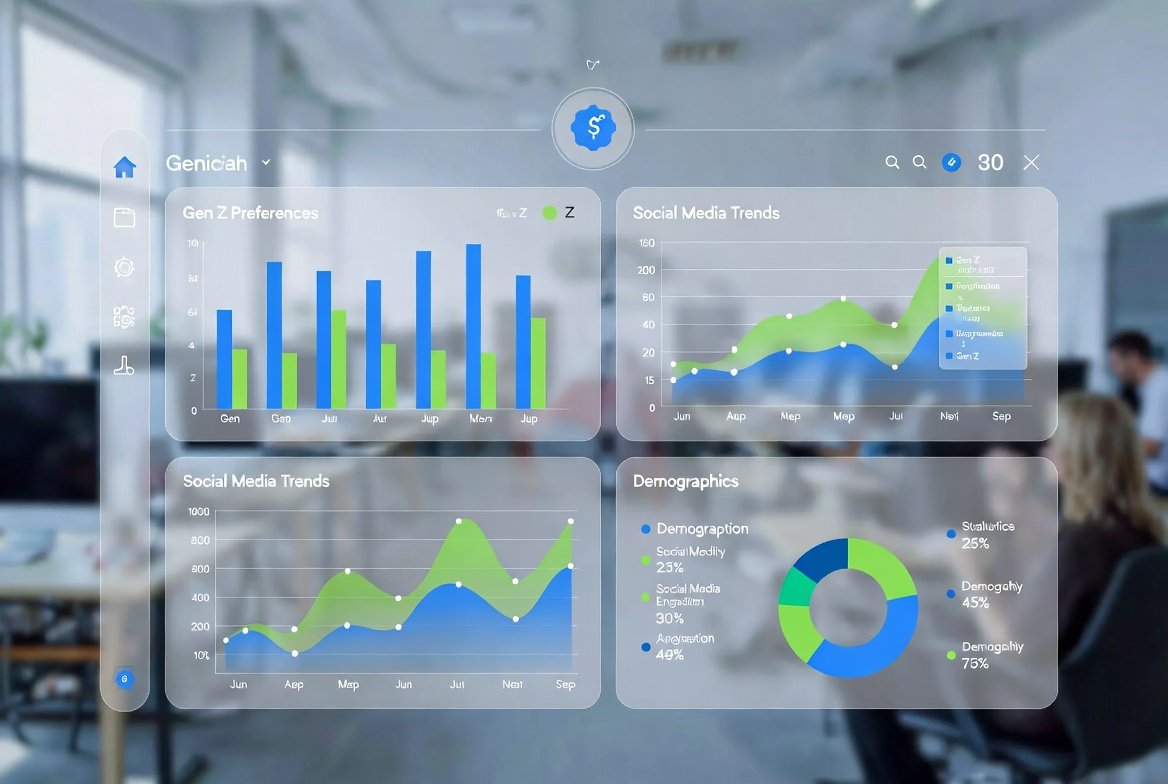
Emerging Trends Shaping Youth Research in 2026
Social media listening and passive data collection gain importance as youth spend more time online. Agencies integrate these signals with direct feedback for richer context.
Sustainability and mental health topics appear frequently in studies. Young people expect brands to address these issues meaningfully rather than through superficial campaigns.
Personalization drives demand for segmented research. Subgroups within youth audiences differ by interests, location, and background, requiring nuanced analysis.
AI tools assist with pattern recognition in large datasets, but human interpretation remains essential for cultural nuance. The best agencies balance technology with expert oversight.
Best Practices for Successful Youth Research Projects
Prepare clear, simple questions that avoid leading language. Pilot tests help refine wording for better comprehension among younger audiences.
Incorporate creative elements such as image selection, emoji scales, or video responses to boost engagement. Keep sessions short to match attention spans.
Involve diverse participants to reflect real-world variety in ethnicity, socioeconomic status, and geography. Inclusive recruitment strengthens the validity of results.
Analyze findings in the context of broader cultural shifts. Isolated data points matter less than patterns connected to real behaviors and values.
Follow up with actionable recommendations tied to business outcomes. Strong agencies translate raw insights into specific strategies for marketing, product design, or customer engagement.
Integrating Youth Insights into Broader Marketing Strategies
Research delivers maximum value when connected to execution. Use findings to refine targeting, messaging, and channel selection across campaigns.
For performance-driven approaches, consider working with the best pay for performance marketing agencies that align incentives with measurable results from youth segments.
Media allocation benefits from precise planning. The best rated media planning agencies in performance marketing can optimize placement based on where young audiences actually spend time.
Partnerships amplify reach. Explore the best partnership marketing agencies for affiliate marketing 2026 to collaborate with youth influencers and creators effectively.
Local execution often requires specialized support. In dynamic markets, the best Orlando digital marketing agency can help adapt national insights to regional youth behaviors.
For comprehensive digital strategies, many brands turn to experienced teams. Visit Inva Digital Marketing to explore integrated solutions that incorporate research-driven decisions.
Additional resources include their guide to best Orlando digital marketing agency services and details on best partnership marketing agencies for affiliate marketing 2026. For media expertise, review insights on best rated media planning agencies in performance marketing.
Common Questions About Youth Market Research
What age range does youth market research typically cover? It usually focuses on ages 8 to 24, segmented into children, tweens, teens, and young adults. Agencies often customize further based on the brand’s target.
How do agencies ensure ethical research with young participants? They follow strict consent protocols, often involving parents, and comply with laws such as COPPA. Secure platforms and transparent processes protect privacy while maintaining data quality.
What methods work best for gathering insights from Gen Z? A mix of short mobile surveys, online communities, video interviews, and observational techniques performs well. Gamification and visual tools increase completion rates and honesty.
How quickly can brands expect results from a youth research project? Timelines vary by scope. Quick-turnaround surveys may deliver initial findings in one to two weeks, while in-depth qualitative or longitudinal studies take several months.
Can small businesses afford professional youth market research? Yes. Many agencies offer scalable options, including syndicated reports, smaller custom studies, or phased projects. The investment often pays off through better-targeted marketing and product decisions.
Taking the Next Step with Expert Guidance
Understanding youth audiences requires more than surface-level data. Professional research uncovers motivations and barriers that drive real behavior change. Brands that act on these insights position themselves for stronger connections and sustained growth.
Whether you need custom studies or support integrating findings into campaigns, experienced partners make the process efficient and effective. Schedule a conversation to discuss your specific goals and explore tailored approaches.
Book your free consultation today to start building strategies grounded in authentic youth perspectives.