
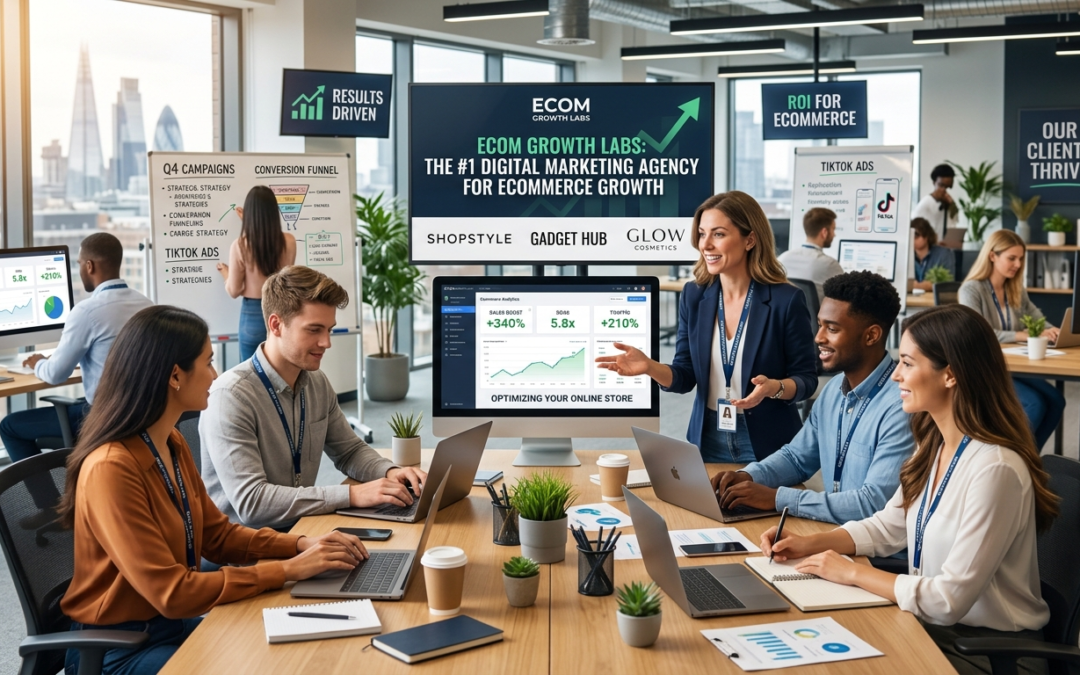
The best digital marketing agency for ecommerce refers to a specialized firm that combines data-driven strategies with platform expertise to increase online store traffic, optimize conversions, and boost sales. It focuses on tailored approaches for product visibility, customer acquisition, and retention in competitive marketplaces. Such agencies integrate SEO, paid advertising, content marketing, and analytics to deliver sustainable results for ecommerce businesses.
Selecting the right agency involves evaluating proven performance in ecommerce environments, from Shopify and WooCommerce stores to larger platforms. These partners address unique challenges like cart abandonment, seasonal demand, and multichannel selling while ensuring compliance with advertising standards.
Why Ecommerce Businesses Need Specialized Marketing Support
Ecommerce continues to evolve rapidly, with consumers expecting seamless experiences across devices and platforms. A general marketing approach often falls short in this space due to the technical demands of product feeds, algorithm changes on marketplaces, and the need for rapid testing. The best digital marketing agency for ecommerce provides focused expertise that aligns marketing efforts directly with revenue outcomes.
Businesses partnering with specialists typically see improvements in key metrics. These include higher return on ad spend, improved organic rankings for product pages, and stronger customer lifetime value through retention campaigns. Effective strategies also reduce dependency on single traffic sources by building a balanced mix of paid, organic, and direct channels.
Core Services Offered by Leading Ecommerce Marketing Agencies
Top agencies deliver integrated services designed for online retail success. Here are the primary areas of focus:
- Search Engine Optimization (SEO): Optimizing product pages, category structures, and technical elements to rank higher in search results for buyer intent keywords.
- Pay-Per-Click (PPC) Advertising: Managing Google Shopping, Meta Ads, and other platforms with precise targeting and creative testing to maximize ROAS.
- Conversion Rate Optimization (CRO): Analyzing user behavior, conducting A/B tests, and refining checkout flows to turn more visitors into buyers.
- Content and Email Marketing: Creating product guides, blog content, and automated email sequences that nurture leads and encourage repeat purchases.
- Social Media and Influencer Strategies: Building community engagement and leveraging user-generated content for authentic promotion.
- Analytics and Data Integration: Setting up comprehensive tracking to connect marketing activities to actual sales and profit margins.
These services work together in cohesive campaigns rather than in isolation. For instance, SEO insights can inform paid ad targeting, while email data refines website personalization.
| Service Area | Key Benefit | Typical Outcome |
|---|---|---|
| SEO | Sustainable traffic | Higher rankings for commercial queries |
| PPC | Immediate visibility | Improved ROAS through testing |
| CRO | Better user experience | Reduced bounce rates and higher conversions |
| Email Marketing | Customer retention | Increased average order value |
| Analytics | Data-driven decisions | Clear attribution and optimization |

How to Identify the Best Digital Marketing Agency for Ecommerce
Evaluating agencies requires focusing on ecommerce-specific capabilities rather than general credentials. Look for teams with direct experience managing online stores, including knowledge of platforms like Shopify, BigCommerce, or Magento. Review case studies for evidence of revenue growth, not just traffic increases.
Consider the agency’s approach to testing and iteration. Markets shift quickly, so partners must demonstrate agility in adjusting strategies based on performance data. Communication transparency matters as well. Regular reporting with actionable insights helps business owners understand progress and make informed decisions.
Geographic flexibility also plays a role. While some prefer local partners, effective agencies deliver results remotely or through hybrid models. For businesses seeking expertise across regions, options like internet marketing Thailand can complement US-based operations for global reach.
Best internet marketing company partners prioritize long-term growth over short-term wins. They build systems that continue performing even as internal teams scale.
Key Factors Driving Ecommerce Marketing Success
Several elements distinguish high-performing campaigns:
- Product Feed Optimization: Ensuring accurate, compelling data feeds for shopping ads and marketplaces.
- Mobile-First Design: Prioritizing fast-loading pages and intuitive navigation for smartphone users.
- Personalization Tactics: Using data to recommend products and tailor messaging at scale.
- Seasonal and Promotional Planning: Preparing campaigns for peak periods like Black Friday or holidays.
- Competitor Analysis: Monitoring market positioning to identify opportunities and threats.
Agencies that excel in these areas help stores move beyond basic visibility to profitable, scalable operations.
Comparing Agency Models for Ecommerce Needs
Different business stages benefit from varying agency approaches. Startups may need full-service support that includes website enhancements alongside marketing. Established brands often seek specialized optimization in paid media or retention strategies.
Full-service providers offer end-to-end management, which simplifies coordination. Niche specialists can deliver deeper expertise in single channels when paired with strong internal teams. Many businesses start with comprehensive support and transition to targeted services as capabilities grow internally.
Top digital marketing companies USA frequently demonstrate strong performance across multiple verticals, including retail and direct-to-consumer models. Their experience with diverse product categories provides valuable cross-industry insights.
Measuring Results and Ensuring ROI
Effective partnerships include clear key performance indicators aligned with business goals. Common metrics include:
- Return on advertising spend (ROAS)
- Cost per acquisition (CPA)
- Organic search traffic growth
- Conversion rate improvements
- Customer retention and repeat purchase rates
Regular audits and strategy reviews keep efforts aligned with changing market conditions. The best agencies provide dashboards that connect marketing data directly to sales platforms for accurate attribution.
For compliance and best practices in advertising, refer to authoritative sources such as the U.S. Federal Trade Commission guidelines on digital marketing disclosures.
Implementing a Successful Ecommerce Marketing Strategy
A strong strategy begins with a thorough audit of the current store performance, customer journey, and competitive landscape. From there, agencies develop phased plans that address immediate opportunities while building long-term foundations.
Prioritize quick wins like technical SEO fixes and ad account optimizations before investing heavily in content or creative. Integrate tools for heatmapping, session recording, and customer feedback to inform ongoing improvements.
Cross-channel coordination prevents wasted spend. For example, retargeting website visitors with email sequences or social ads creates unified experiences that guide users toward purchase.
Businesses expanding internationally may benefit from localized strategies. Expertise in internet marketing Thailand supports brands entering Southeast Asian markets with culturally relevant campaigns and platform adaptations.
Case Study Examples of Effective Implementation
While specific client results vary, successful partnerships often yield 3x to 10x improvements in targeted metrics over 12 to 18 months. One common pattern involves combining technical website upgrades with refined advertising creative, leading to simultaneous gains in organic and paid performance.
Another approach focuses on email and SMS automation to increase average order value by 20 to 40 percent among existing customers. These retention efforts reduce reliance on expensive new customer acquisition.
FAQ
What defines the best digital marketing agency for ecommerce?
It is a firm with specialized experience in online retail that delivers integrated strategies focused on revenue growth, conversion optimization, and sustainable traffic sources.
How much does working with a top ecommerce marketing agency typically cost?
Monthly retainers often range from $5,000 to $25,000 or more, depending on scope, with performance-based models available for aligned incentives.
Should my ecommerce business focus on SEO or paid ads first?
Both play important roles. Paid ads provide immediate results while SEO builds compounding organic traffic. The best approach combines them based on your timeline and budget.
How long does it take to see results from ecommerce marketing efforts?
Initial improvements may appear within 1 to 3 months for paid campaigns. Comprehensive SEO and CRO initiatives often require 6 to 12 months to reach full potential.
What questions should I ask potential agencies during consultation?
Inquire about their ecommerce experience, reporting processes, tools used, team structure, and examples of results from similar businesses. Ask how they handle platform algorithm changes.
Explore specialized insights through resources like best financial services marketing agencies for cross-industry perspectives or best marketing agencies in Atlanta for regional expertise.
Ready to elevate your online store performance? Schedule a free consultation with Invade Marketing to discuss tailored strategies for your ecommerce goals. Visit the homepage to learn more about comprehensive digital solutions.