

Best fintech content marketing agencies in 2026 refers to firms that specialize in developing and executing content strategies tailored to the unique needs of financial technology companies. This involves creating educational materials, thought leadership pieces, and promotional content that complies with industry regulations while engaging target audiences. These agencies help fintech businesses build trust, generate leads, and achieve measurable results through optimized content distribution.
What Defines the Best Fintech Content Marketing Agencies
In the financial technology landscape, agencies stand out by demonstrating deep industry knowledge and proven results. They understand the complexities of fintech, including rapid innovation and strict compliance requirements. Effective agencies integrate data-driven approaches to create content that resonates with decision-makers in banking, payments, and investment sectors.
Top performers focus on audience segmentation to deliver personalized content. For instance, they craft blog posts, whitepapers, and videos that address pain points like cybersecurity or blockchain integration. Their strategies often include search engine optimization to ensure visibility in competitive searches.
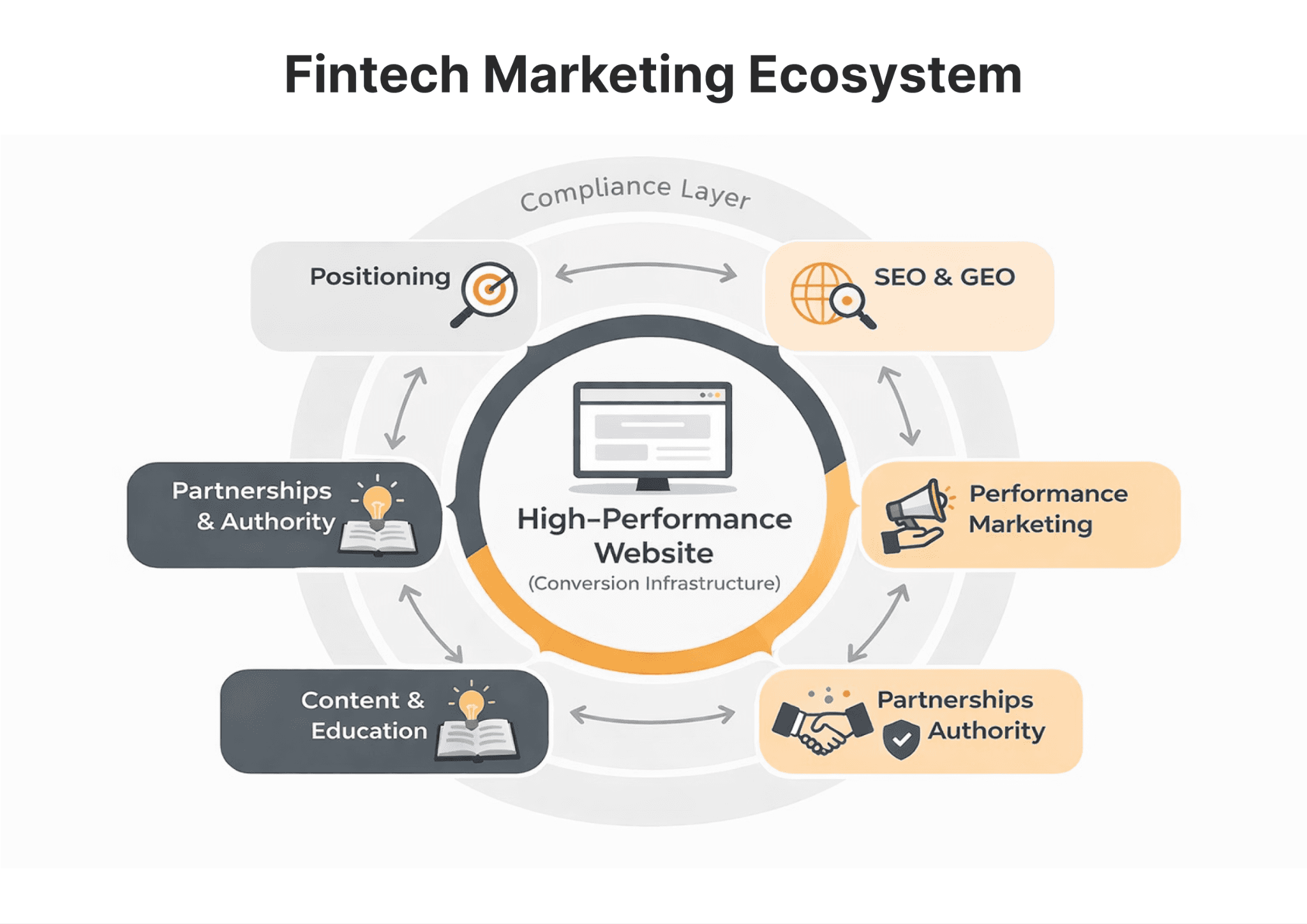
Agencies that excel also emphasize analytics to measure content performance. They track metrics such as engagement rates, conversion funnels, and return on investment. This allows for continuous refinement, ensuring content aligns with business goals.
Key Characteristics of Leading Agencies
- Industry Expertise: Familiarity with fintech trends enables agencies to produce relevant content. They stay updated on developments like open banking and digital wallets.
- Creative Capabilities: Strong agencies blend storytelling with technical accuracy to make complex topics accessible.
- Compliance Focus: Content must adhere to regulations from bodies like the SEC or GDPR, avoiding legal pitfalls.
- Multichannel Distribution: Effective use of platforms including social media, email, and webinars maximizes reach.
- Client Collaboration: Partnerships involve regular feedback loops to align content with client objectives.
These traits contribute to long-term success, helping fintech firms differentiate in a crowded market.
Emerging Trends in Fintech Content Marketing for 2026
The fintech sector evolves quickly, and content marketing adapts accordingly. In 2026, artificial intelligence plays a larger role in content creation and personalization. Agencies use AI tools to analyze user behavior and generate tailored recommendations, enhancing user experience.
Sustainability becomes a key theme, with content highlighting eco-friendly fintech solutions. Agencies create pieces on green finance to appeal to environmentally conscious investors.
Video content gains prominence, especially short-form formats for platforms like TikTok and LinkedIn. This format suits quick explanations of fintech concepts, boosting engagement.
Interactive content, such as quizzes or calculators, encourages user interaction. For example, a mortgage affordability tool can lead to higher conversion rates.
Voice search optimization emerges as important, with agencies crafting content for smart devices. This involves natural language processing to match conversational queries.
According to industry reports, stablecoin regulation prompts new content opportunities around digital currencies. Agencies that anticipate these shifts provide valuable guidance.
Impact of AI on Content Strategies
AI integration allows for scalable content production. Agencies employ it for sentiment analysis, predicting which topics will resonate. This leads to more efficient campaigns.
Personalization at scale becomes feasible, with content adapted to individual user profiles. For fintech, this means customized advice on investment strategies.
However, ethical considerations remain crucial. Agencies ensure AI-generated content maintains authenticity and accuracy.
How to Select the Right Fintech Content Marketing Agency
Choosing an agency requires careful evaluation. Start by assessing their portfolio for fintech-specific work. Look for case studies showing measurable outcomes, such as increased website traffic or lead generation.
Consider their team composition. A mix of marketers, writers, and fintech experts ensures comprehensive service.
Budget alignment is essential. Agencies offer various pricing models, from retainer-based to project-specific.
Evaluate their technology stack. Tools for content management, SEO, and analytics indicate sophistication.
Client testimonials provide insights into reliability and communication. Seek agencies with a track record of long-term partnerships.
Finally, discuss their approach to innovation. The best agencies adapt to new tools and trends, keeping your content fresh.
| Criteria | Importance | Evaluation Tips |
|---|---|---|
| Fintech Experience | High | Review past clients in payments or blockchain. |
| Content Quality | High | Analyze samples for clarity and engagement. |
| ROI Measurement | Medium | Ask about tracking tools and reporting frequency. |
| Scalability | Medium | Ensure they handle growth in content volume. |
| Cost Efficiency | Low | Compare value against services offered. |
This table helps structure your decision-making process.
Agencies with diverse expertise can also support related areas. For instance, those skilled in niche markets might overlap with a wellness marketing agency los angeles, providing insights into targeted campaigns.
Benefits of Partnering with Specialized Agencies
Specialized agencies bring targeted advantages to fintech firms. They accelerate market entry by leveraging established networks and best practices.
Content from these agencies builds authority, positioning your brand as a leader. Thought leadership articles attract media attention and partnerships.
Lead generation improves through optimized funnels. Content gated behind forms captures valuable contact information.
Compliance risks decrease, as agencies navigate regulatory landscapes effectively.
Cost savings occur over time, with efficient strategies yielding higher returns than in-house efforts.
- Enhanced brand visibility in search results.
- Improved customer retention through educational content.
- Data-informed decisions based on performance insights.
- Access to cutting-edge tools without internal investment.
- Flexible scaling to match business growth.
These benefits translate to competitive edges in the fintech space.
For broader digital strategies, explore resources like best digital marketing agencies for nonprofits, which share principles applicable to fintech.
Case Studies in Effective Fintech Content Marketing
Successful campaigns illustrate agency value. One approach involves creating comprehensive guides on emerging technologies, driving organic traffic.
Another strategy uses webinars to engage prospects, converting viewers into clients.
Infographics simplify data, making complex fintech metrics understandable. These visuals perform well on social channels.
Email series nurture leads, providing ongoing value and building trust.
Podcasts feature industry experts, expanding reach and credibility.
While specifics vary, patterns show that consistent, high-quality content yields results.
Agencies often draw from experiences in other locales, such as a local seo company calgary, adapting local tactics to global fintech needs.
Integrating Content with Overall Marketing
Content marketing does not operate in isolation. It complements paid advertising, social media, and PR efforts.
Agencies ensure cohesion across channels, amplifying messages.
For example, blog posts support ad campaigns by providing landing page content.
Social sharing extends content lifespan, increasing exposure.
Analytics from all channels inform content adjustments.
This integrated approach maximizes impact.
For more on digital integration, visit the Invade Marketing homepage.
The second internal link seems incomplete in query, but assuming it’s “best digital marketing agencies,” link as best digital marketing agencies.
For authoritative insights on fintech trends, refer to this Forbes article on hottest fintech startups.
What Services Do Fintech Content Marketing Agencies Provide?
Fintech content marketing agencies offer a range of services including strategy development, content creation, SEO optimization, and performance analysis. They produce blogs, videos, ebooks, and social posts tailored to fintech audiences. Distribution and promotion ensure wide reach.
How Much Does It Cost to Hire a Fintech Content Marketing Agency?
Costs vary based on scope, typically ranging from $5,000 to $20,000 per month for comprehensive services. Factors include content volume, complexity, and additional features like analytics. Project-based pricing starts at $10,000 for specific campaigns.
Why Is Content Marketing Important for Fintech Companies?
Content marketing builds trust in a sector where credibility is key. It educates audiences on complex products, improves search rankings, and generates leads. In 2026, it helps navigate competitive landscapes and regulatory changes.
What Are the Key Trends for Fintech Content Marketing in 2026?
Trends include AI-driven personalization, interactive formats, and sustainability-focused content. Voice search optimization and video dominance shape strategies. Agencies emphasize data privacy in content handling.
How Can Fintech Firms Measure Content Marketing Success?
Success is measured through KPIs like traffic growth, engagement rates, lead conversions, and ROI. Tools track user behavior, while A/B testing refines approaches. Regular reports provide insights for adjustments.
Take the Next Step Toward Fintech Growth
Imagine transforming your fintech brand into a trusted authority, with content that not only informs but inspires action. The right partnership can make this reality, driving sustainable growth and meaningful connections. Do not wait for opportunities to pass; seize them now. Schedule your free consultation today and discover how tailored strategies can elevate your business. Your future success starts with one conversation.