
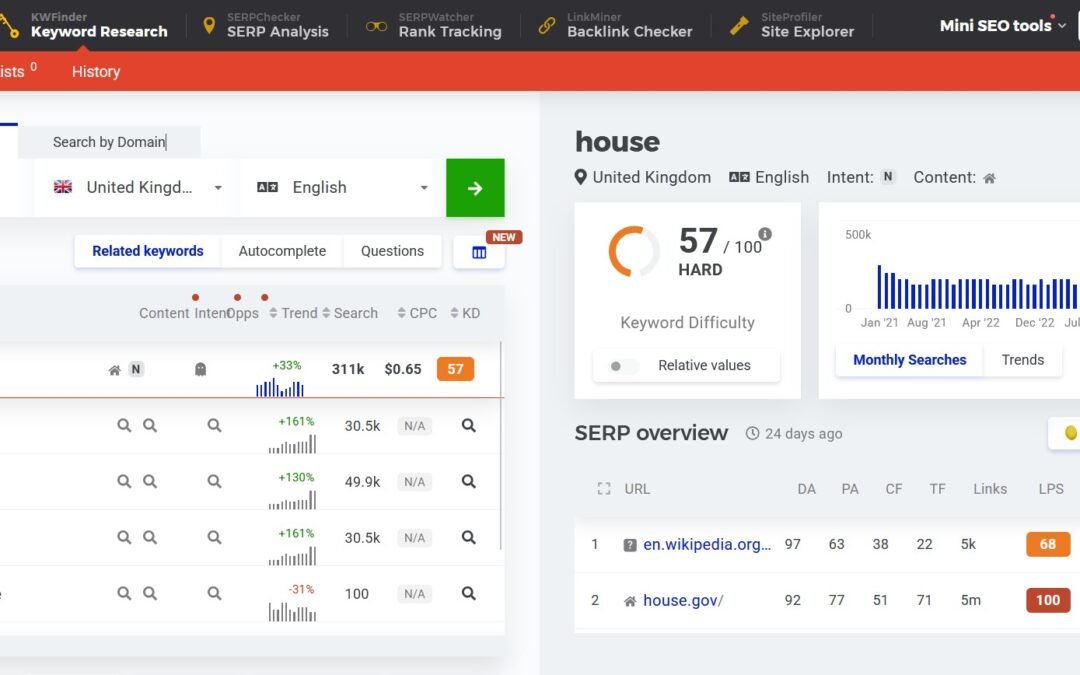
Keyword research strategies refer to systematic processes that identify high-value search terms aligned with business goals and user intent. These strategies form the foundation of effective SEO and PPC campaigns, especially for UK digital marketing agencies that must navigate local search nuances and competitive landscapes. In 2026, the best keyword research strategies UK digital marketing agencies employ combine traditional volume and difficulty analysis with AI-powered intent clustering, SERP feature evaluation, and cross-channel alignment to maximize ROI for clients in tech and other sectors.
Why Keyword Research Remains the Foundation of Digital Success in 2026
Effective keyword research directly influences organic visibility, paid performance, and content relevance. UK agencies face unique challenges including regional language variations, GDPR-compliant data handling, and increasing competition from global players. The best keyword research strategies UK digital marketing agencies implement in 2026 prioritize commercial intent over broad awareness terms, focusing on queries that signal purchase readiness.
Modern strategies integrate multiple data sources to overcome limitations of single-tool reliance. Agencies now combine search volume data with real-time behavioural signals, competitor gap analysis, and emerging AI search features such as Google’s AI Overviews. This holistic view ensures recommendations drive qualified traffic rather than vanity metrics.
For tech companies, keyword strategies must account for long sales cycles and complex buyer personas. Terms often include technical specifications, comparison queries, and solution-oriented phrases that map to different funnel stages.

Core Keyword Research Strategies UK Agencies Use in 2026
Leading agencies follow a multi-layered process that evolves with algorithm updates and user behaviour shifts.
1. Intent-First Research Framework
Start with user intent classification: informational, navigational, commercial investigation, and transactional. UK agencies map keywords to these categories using SERP analysis. Tools reveal featured snippets, People Also Ask sections, and related searches that indicate true searcher needs.
2. Competitor Gap and Opportunity Analysis
Examine top-ranking pages for target keywords and identify content gaps. This includes assessing backlink profiles, content depth, and on-page elements. Agencies use this to uncover low-competition opportunities with high commercial potential.
3. AI-Assisted Clustering and Topic Modelling
Group related keywords into topic clusters rather than isolated terms. This supports content hubs that satisfy broader search needs and improve topical authority. In 2026, AI tools automate clustering while humans refine clusters based on business context.
4. Local and Regional Modifier Integration
UK-specific modifiers (e.g., “near me”, city names, “UK”) significantly influence performance. Agencies prioritise these for location-based services while balancing national and global ambitions.
5. SERP Feature and Zero-Click Optimisation
Target keywords that trigger rich results, knowledge panels, or AI summaries. Strategies include structured data implementation and concise, authoritative answers optimised for position zero.
6. Seasonal and Trend Forecasting
Use historical data combined with real-time trend tools to predict spikes. This is particularly valuable for tech companies launching products or entering new verticals.
7. Cross-Channel Keyword Alignment
Align organic keywords with PPC campaigns and social listening data. This creates consistent messaging across touchpoints and improves attribution accuracy.
The following table compares traditional vs modern approaches:
| Aspect | Traditional Approach | 2026 Modern Strategy |
|---|---|---|
| Primary Data Source | Search volume and difficulty | Intent signals + behavioural data |
| Keyword Grouping | Individual terms | Semantic clusters and topic hubs |
| Competitor Analysis | Ranking positions | Content depth + SERP feature ownership |
| Local Focus | Basic geo-modifiers | Regional intent + voice/local pack |
| Measurement | Rankings and traffic | Pipeline contribution and revenue impact |
Advanced Tools and Techniques UK Agencies Rely On
Top agencies leverage a tech stack that balances accuracy with efficiency.
Essential tools include:
- Google Keyword Planner for baseline volume data
- Ahrefs or Semrush for competitor insights and gap analysis
- AnswerThePublic and AlsoAsked for question-based keyword discovery
- Google Search Console for performance validation
- AI platforms for intent prediction and clustering
Techniques such as reverse-engineering featured snippets and analysing People Also Ask expansion provide competitive edges. Agencies also monitor Reddit, Quora, and UK forums for emerging conversational queries.
For tech companies, keyword strategies often include long-tail technical terms combined with benefit-oriented modifiers to capture mid-funnel traffic.
Integrating Keyword Research with Broader Marketing Strategies
Keyword insights should inform content calendars, PPC bids, and social content. Agencies create unified plans where organic and paid efforts reinforce each other.
For example:
- High-intent keywords drive PPC campaigns with precise landing pages
- Mid-funnel terms fuel content marketing and nurture sequences
- Brand and navigational terms protect market share through defensive strategies
This integration maximises efficiency and improves customer journey continuity.
Agencies offering digital marketing services white label often provide specialised keyword research as a standalone or bundled service. Similarly, robust ppc advertising campaign management relies heavily on accurate keyword foundations.
For deeper insights into integrated approaches, explore the best integrated marketing agencies tech 2026 overview or this best marketing agency Papua New Guinea guide for global perspective.
Common Mistakes Agencies Make and How to Avoid Them
Even experienced teams fall into traps:
- Focusing solely on high-volume terms without intent validation
- Ignoring seasonal and trend-based fluctuations
- Neglecting long-tail opportunities in competitive niches
- Failing to update strategies after major algorithm changes
- Separating organic and paid keyword efforts
Avoid these by implementing quarterly audits, cross-team collaboration, and continuous learning.
Measuring Success Beyond Rankings
Modern measurement focuses on business outcomes:
- Organic traffic quality (engagement, conversion rates)
- Keyword contribution to pipeline and revenue
- Share of voice in target categories
- Cost per lead/acquisition trends
- Branded search growth
These metrics demonstrate clear ROI to clients.
Ready to implement strategies that deliver measurable growth? Schedule a free consultation to discuss tailored keyword research and integrated marketing plans for your UK or international needs.
FAQ
What are the most important factors in keyword research for UK agencies in 2026? Intent matching, local modifiers, SERP features, and commercial viability matter most. Focus on queries that drive revenue rather than pure volume.
How often should keyword research be updated? Quarterly reviews are standard, with monthly checks for high-competition niches or after major algorithm updates.
What is the difference between short-tail and long-tail keywords for tech companies? Short-tail terms are broad and competitive, while long-tail keywords are specific, lower competition, and often higher converting for complex tech solutions.
Should UK agencies prioritise voice search keywords? Yes, conversational long-tail phrases and question-based queries are increasingly important as voice adoption grows.
How do integrated agencies use keyword research differently from SEO-only firms? Integrated agencies align keywords across SEO, PPC, content, and social channels to create consistent messaging and improved attribution.
For more on cutting-edge approaches, see this Search Engine Journal guide on keyword research evolution.