
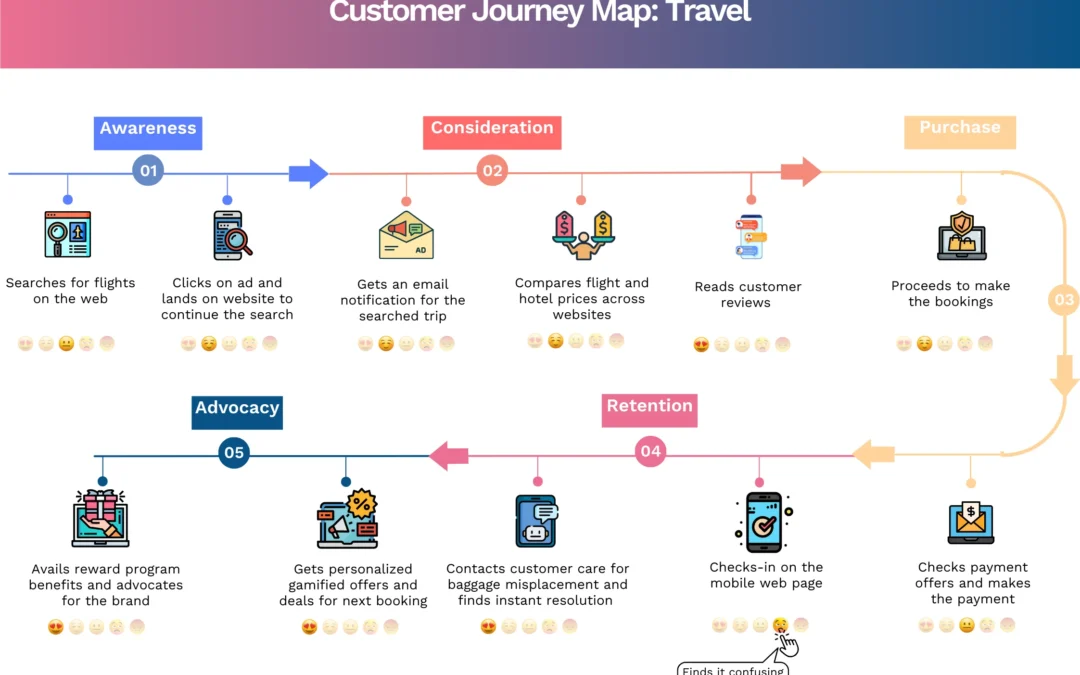
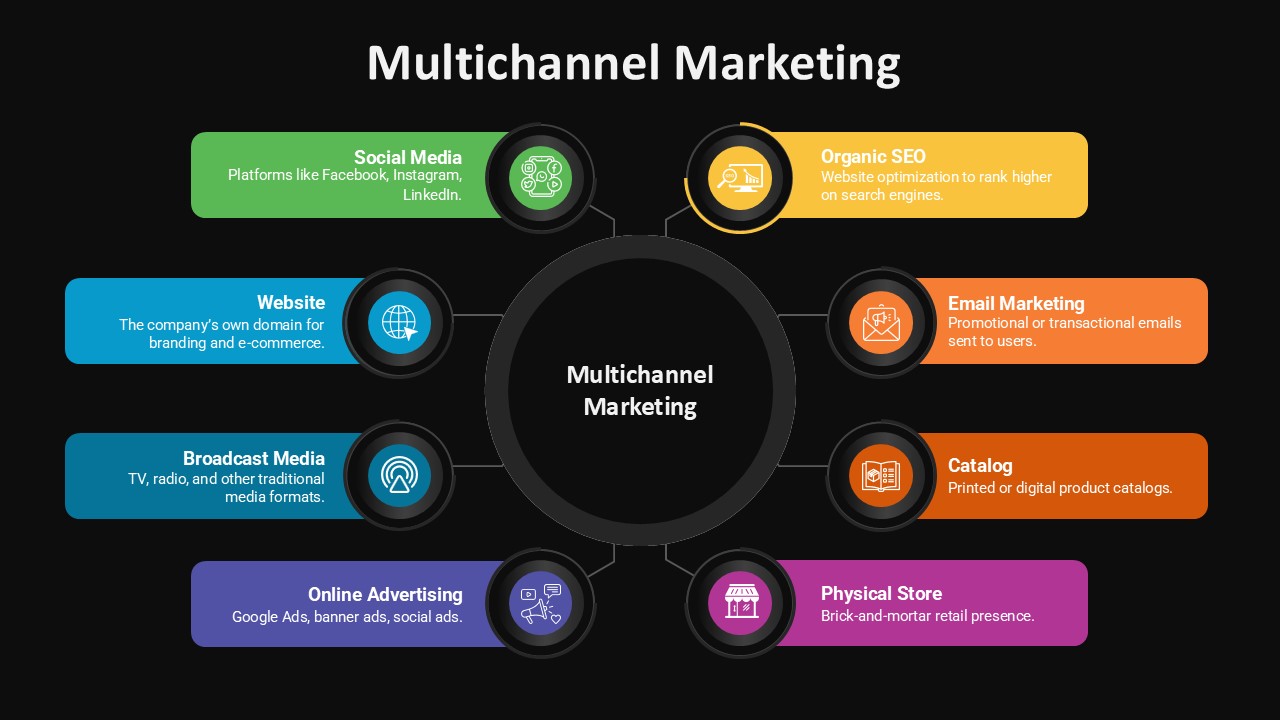
Multi-channel customer journey optimization is about making sure every touchpoint a customer has with your brand — email, social, search, paid ads, your website, messaging apps — feels connected rather than random. The goal is to use data and automation to guide people from first awareness all the way through to purchase and repeat business, without making them feel like they’re starting over every time they switch channels. It sounds straightforward in theory. In practice, most businesses have pretty fragmented data and siloed teams, which is exactly why the agencies that do this well are genuinely useful.
What Multi-Channel Customer Journey Optimization Actually Means
The short version: it’s coordinating your marketing across every platform so that the experience doesn’t fall apart when a customer moves from one channel to another. Someone sees your ad on Instagram, lands on your website, gets a follow-up email, and eventually converts — if those three touchpoints feel disconnected, you’ve probably lost them somewhere in the middle.
The agencies that do this well are mapping every stage of the buyer path, pulling behavioral data in real time, and using unified customer profiles to decide what to say next and where. The output is higher conversion rates, better retention, and customers who actually stick around. In Canada specifically, where digital adoption keeps climbing, this has gone from a nice-to-have to something businesses genuinely can’t ignore.
One thing worth understanding: multi-channel optimization isn’t just about being present on more channels. It’s about making those channels work together. Adding more platforms without connecting them often makes things worse, not better.
Businesses that invest properly in this see clearer attribution — they actually know which channels are driving revenue — and they stop wasting budget on disconnected campaigns that don’t build on each other.
Why This Matters for Canadian Businesses in 2026
Canadian companies are dealing with a few specific pressures that make this more urgent than it might be in other markets. Regional audience diversity means a single approach rarely works coast to coast. Privacy regulations are strict and getting stricter. And global competitors with much larger budgets are targeting the same customers.
Multi-channel optimization is one of the more effective ways to compete — not by outspending, but by being more relevant and consistent at every point in the journey. A few things tend to follow when organizations get this right:
- Improved customer retention: Consistent messaging across channels builds the kind of trust that keeps people coming back. Not in an abstract way — repeat purchase rates actually go up.
- Higher average order values: Personalized recommendations at the right moment, rather than generic cross-sells, tend to move people toward higher-value decisions.
- Better return on ad spend: Unified tracking shows you what’s actually contributing to revenue. Which means you stop funding channels that look busy but don’t convert.
- Reduced churn: Catching people before they disengage — proactive nudges at key journey points — prevents drop-offs that are otherwise invisible until they show up in your churn numbers.
For regulated sectors — finance, insurance, healthcare — there’s an added layer: you need to deliver great experiences while staying compliant. The agencies that understand Canadian regulatory requirements tend to be much more useful in those contexts than generalist shops.
What the Best Agencies Actually Bring to the Table
There’s a wide range in what agencies call ‘multi-channel optimization.’ Some mean they run ads on more than one platform. The agencies worth working with are doing something considerably more involved.
The capabilities that actually move the needle tend to include:
- Real-time behavioral tracking that feeds into a unified view of each customer not siloed data living in four different platforms
- Automated workflows that trigger the right message based on what someone actually did, not just a generic drip sequence
- Cross-device and cross-platform attribution models that give credit to touchpoints that actually contributed, not just the last click
- Privacy-compliant data handling — this matters in Canada and it’s not something you want to bolt on after the fact
Financial services and insurance: These highly regulated industries require secure, trust-building journeys that maintain compliance while delivering excellent experiences. Specialized strategies for insurance companies can be explored further in the Best digital marketing agencies for insurance companies. For broader financial services needs, proven approaches are available here.
Strong agencies also have personalization engines that adjust content dynamically based on where someone is in the journey. And they’re good at the handoffs — moving a customer from a social ad to a tailored email to a landing page that actually matches what they just clicked on. That last part seems obvious but it’s where a lot of campaigns quietly fall apart.
How to Choose the Right Agency — Without Getting Sold to
Choosing an agency for something this interconnected is harder than picking a social media manager. You’re evaluating their data infrastructure, their strategic thinking, their reporting quality, and their ability to operate as a long-term partner rather than a vendor who disappears after onboarding.
Here’s a practical framework. The questions in the third column are worth asking directly in a first meeting:
| Criterion | What to Actually Look At | Why It Matters |
| Experience | Years in multi-channel work and actual client results — not just logos | Tells you whether they’ve solved real problems or just sold slide decks |
| Technology Stack | Tools for data integration, automation, and attribution | Determines whether they can actually connect your channels or just report on them separately |
| Reporting | How often, how deep, and who presents the data | You need to be able to make decisions from it, not just receive it |
| Team Structure | Dedicated strategists vs shared resources | Ongoing optimization requires people who actually know your account |
| Scalability | Can they grow with you without rebuilding everything | Protects the investment you make in the first year |
The thing to push on specifically: ask for case studies that show journey completion rate improvements and revenue impact, not just reach or engagement. Anyone can show you traffic. The useful agencies show you what happened downstream.
How It Plays Out Across Different Industries
The core approach stays consistent, but the execution looks pretty different depending on the sector.
Nonprofits
Agencies with nonprofit experience focus on storytelling across channels donor trust is the currency, and that gets built through consistent, mission-aligned messaging. The journey from awareness to donation to long-term supporter requires a different emotional arc than a typical B2C funnel. Compliance with charitable fundraising regulations adds another layer.
Education
In education, the journey from inquiry to enrollment can take months and involves multiple decision-makers students, parents, sometimes employers in the case of professional development programs. Good agencies here use targeted content and automated nurturing to stay present without being pushy throughout a long consideration cycle.
Financial Services and Insurance
These sectors require secure, compliant journeys that build confidence gradually. First contact to ongoing relationship management is a long arc. Agencies serving this space have to know the regulatory environment as well as they know the marketing tools.
Common Problems — and What Actually Fixes Them
Most organizations that come to agencies with this problem have some version of the same issues: fragmented data sitting in different platforms, messaging that doesn’t feel connected from channel to channel, and limited visibility into what’s actually contributing to conversions.
The fixes aren’t always glamorous. Middleware for data unification is usually unglamorous infrastructure work that nobody wants to talk about in a pitch deck, but it’s often the thing that makes everything else possible. AI-powered message testing helps identify what’s relevant to which audience segments. Advanced attribution models stop giving all the credit to whatever touchpoint happened to be last.
One pattern worth watching for: agencies that promise to fix attribution without first addressing data fragmentation are usually working backwards. You can’t accurately attribute what you can’t accurately track.
Regular journey mapping sessions — not just at onboarding but ongoing keep strategies aligned with how customers are actually behaving, which shifts more than most organizations expect.
![Multichannel marketing strategy and planning [free digital template]](https://www.smartinsights.com/wp-content/uploads/2020/06/Screenshot-2020-05-14-at-16.08.00.png)
What Separates Good Results from Actually Good Results
The baseline capabilities — tracking, automation, attribution get you to competitive parity. What the top agencies do beyond that is where you start seeing meaningfully different outcomes.
Predictive analytics that anticipate customer needs before the customer signals them explicitly. Cross-device identity resolution that keeps the experience continuous even when someone switches from mobile to desktop mid-journey. Privacy-first tracking methods that maintain compliance without sacrificing the insights you need to personalize. Continuous A/B testing across channels not just on landing pages, but across email subjects, ad creatives, timing, and sequence logic.
These aren’t features you’ll find in every agency’s proposal. They’re worth asking about specifically, because the difference between having them and not having them is significant at scale.
Measuring What Actually Matters
Resist the pull toward vanity metrics. Reach, impressions, and email open rates can look good while the underlying business results go nowhere. The indicators worth tracking consistently:
- Customer lifetime value trends — are customers you acquired this year worth more over time than those from two years ago?
- Multi-touch attribution accuracy — are you crediting the channels that actually contributed, or just the last click before conversion?
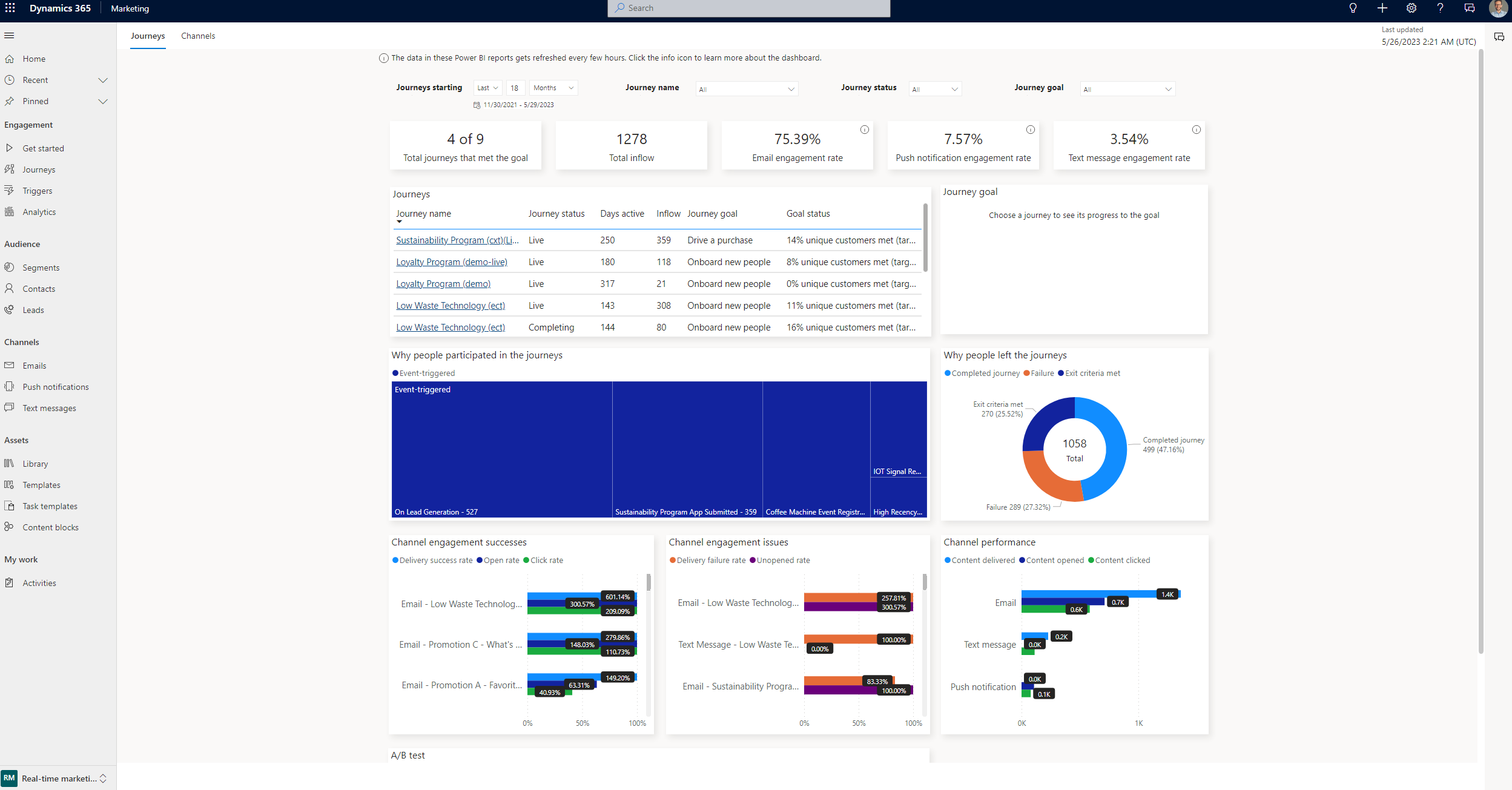
- Journey completion rates — what percentage of people who start a defined path actually finish it?
- Time-to-conversion — is it getting shorter as your optimization matures?
- Net promoter score and retention rates — these give you signal on experience quality that conversion data alone doesn’t capture
Regular dashboard reviews that tie these numbers back to specific tactical decisions are what keep optimization from becoming a set-it-and-forget-it exercise. Research from Harvard Business Review has found that well-mapped customer journeys significantly improve loyalty and revenue — but only when organizations actually address the friction points the mapping reveals, not just document them.

Frequently Asked Questions
What exactly is multi-channel customer journey optimization?
It’s the practice of aligning every digital touchpoint so that customers get consistent, relevant experiences regardless of which channel they’re using. The goal is turning what usually feels like a series of disconnected interactions into one coherent path from awareness to conversion to retention.
How do agencies actually optimize journeys across channels?
Data integration is usually the starting point — getting a unified view of customer behavior across platforms. From there, automation tools trigger appropriate messages based on what people actually do. Personalization layers adjust content dynamically. Attribution models make sure the right channels get credit and budget.
Why does this matter specifically for Canadian businesses?
Canadian consumers expect seamless digital experiences — the bar has risen a lot in the past few years. Privacy regulations also require more careful data handling than many off-the-shelf approaches provide. Getting optimization right means you’re meeting that bar while also staying compliant, which is genuinely harder than it sounds.
What does it cost to work with agencies at this level?
It varies quite a bit depending on the scope and how much of your stack already exists. Most serious engagements start with a scoping conversation before any numbers are proposed — which is probably the right approach, since a quote without understanding your current data situation is usually just a guess.
What kind of results should I realistically expect?
Most businesses see meaningful improvements in conversion rates, customer retention,F and ad efficiency within six to twelve months. Lifetime value improvements tend to take a bit longer to show clearly in the data, but they’re usually the most significant number by month eighteen or so.
Ready to Stop Running Disconnected Campaigns?
Fragmented customer experiences are expensive in wasted ad spend, in lost conversions, and in customers who quietly disengage because nothing felt connected. The businesses that get this right see cleaner attribution, more predictable revenue, and customers who actually come back.
The right partner can map where your current journeys are breaking down, build the infrastructure to connect them, and optimize continuously as customer behavior evolves. It’s not a one-time project it’s an ongoing capability.
Schedule a free consultation to talk through your current situation and what a realistic optimization roadmap would look like for your business.