
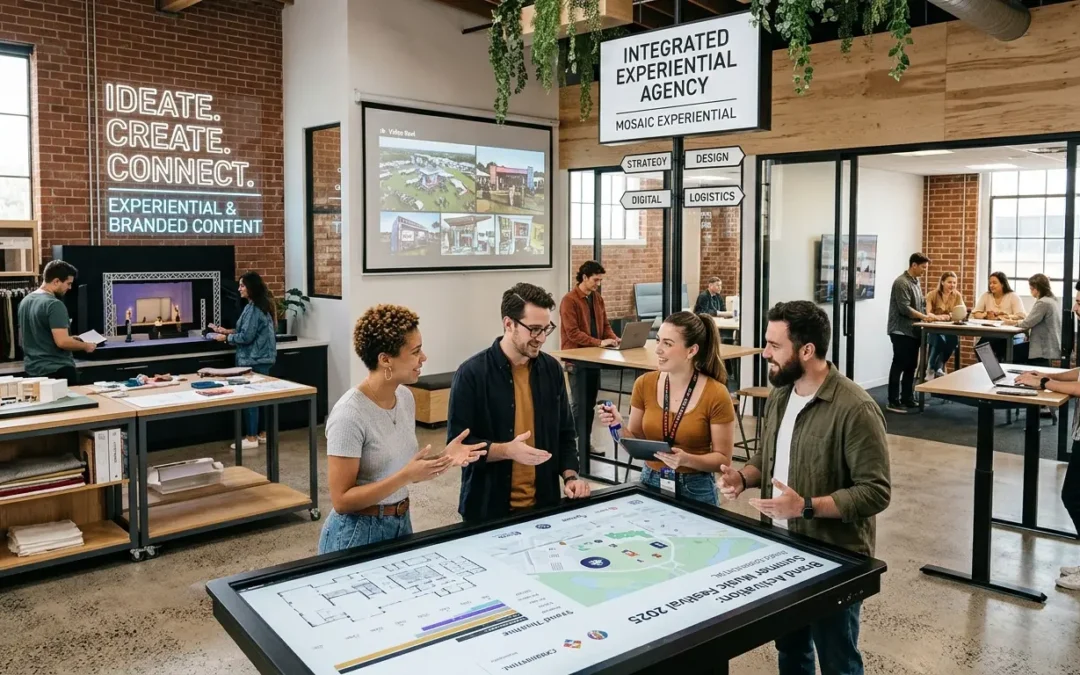
Brands today face a simple truth: audiences no longer respond the same way to one-way messages. People want to feel something. They want to participate. They want moments they remember and share. That shift is why more companies are looking for partners who can deliver more than isolated events or disconnected digital campaigns.
An integrated experiential agency brings strategy, creative development, live experiences, content creation, and amplification together under one approach. Instead of treating an activation as a standalone moment, these agencies design experiences that live across channels and continue working long after the physical event ends.
This approach helps brands create consistency, extend reach, and turn short-term engagement into longer-term value. When done well, it feels natural to the audience while remaining tightly aligned with business goals.
Understanding the Shift Toward Integration
Traditional marketing often separates channels. One team handles the event. Another manages social. A third runs paid media or PR. The result can feel fragmented. Messaging drifts. Content opportunities get missed. Measurement becomes harder.
An integrated experiential agency starts with a different mindset. Strategy comes first. The big idea must be strong enough to work in person, online, and in follow-up communications. Live experiences, digital content, influencer storytelling, and media support are planned together rather than added later.
This model draws from the broader idea of engagement marketing, which focuses on inviting people to participate in a brand rather than simply receive messages. You can explore the foundations of this approach on Wikipedia’s page on engagement marketing. The core principle remains the same: meaningful interaction builds stronger connections than passive exposure.
When strategy, production, and amplification sit in the same conversation from the beginning, campaigns gain coherence. Audiences experience the brand in a more unified way. Content captured during the live moment can fuel ongoing storytelling. Measurement becomes clearer because every element supports the same objectives.
What Sets an Integrated Experiential Agency Apart
Not every agency that uses the word “integrated” operates this way. Some still treat the live experience as the main deliverable and handle other elements as add-ons. True integration means the experience is designed with its digital and social life in mind from day one.
Key characteristics include:
- Strategy that guides the entire campaign rather than just the event footprint
- Creative concepts built to travel across channels
- Production and amplification planned as connected workstreams
- Clear thinking about what audiences will see, share, remember, and act on afterward
- Measurement that looks at both the live moment and the extended impact
The goal is not simply to host a successful activation. The goal is to create a campaign asset that continues delivering value through content, conversation, and continued engagement.

Why Integration Matters for Results
Live experiences create emotion and memory. When those moments are isolated, their impact stays limited to the people who attended. Integration multiplies that value.
A well-designed experience generates shareable content. That content supports social channels, influencer partnerships, PR, and paid amplification. Consistent storytelling reinforces the brand message across touchpoints. Audiences who never attended the event can still feel connected to it.
This approach also improves efficiency. Fewer handoffs reduce the risk of misalignment. Decisions can move faster because the same team understands both the live production and the broader campaign needs. Data from the experience can inform adjustments while the campaign is still active rather than only after it ends.
For brands focused on growth, this matters. Memorable experiences that extend beyond the event tend to support stronger recall, deeper engagement, and clearer paths to conversion when the rest of the marketing ecosystem is aligned.
How the Process Typically Works
Most strong integrated campaigns follow a similar arc, even if the details vary by brand and objective.
It begins with discovery and strategy. The agency works to understand the audience, business goals, brand positioning, and competitive landscape. From there, a central idea emerges—one strong enough to live in multiple places.
Creative development then shapes how that idea will feel in person and how it will translate into content and messaging. Production planning covers the physical experience while also considering photography, video, social moments, and capture opportunities that will fuel later amplification.
Execution brings the experience to life. At the same time, content teams and digital partners work to extend the story in real time and after the event. Measurement tracks both immediate results and longer-term indicators such as engagement, content performance, and contribution to broader campaign goals.
The best partnerships treat this as a continuous loop rather than a one-time project. Insights from one campaign inform the next.
Choosing the Right Partner
Selecting an integrated experiential agency requires looking beyond surface claims. Consider whether the team demonstrates clear thinking about how experiences connect to larger marketing systems. Ask how strategy, creative, production, and amplification stay aligned throughout a project.
Look for evidence that they measure more than attendance or social mentions. Strong partners connect experiential work to brand and business outcomes. They should also show comfort working alongside other marketing efforts rather than operating in isolation.
Culture and communication style matter too. Experiential work involves many moving parts and tight timelines. A calm, collaborative, and transparent approach reduces friction and supports better results.
Bringing It Together for Your Brand
The rise of the integrated experiential agency reflects a larger truth about modern marketing. Audiences respond to coherence and authenticity. They notice when a brand experience feels connected to everything else they see and hear from that brand. They also notice when it does not.
By uniting strategy, live moments, content, and amplification, these agencies help brands create experiences that feel intentional and memorable. The result is often stronger engagement, more usable content, clearer storytelling, and better overall campaign performance.
If your brand is ready to move beyond isolated activations and build experiences that work harder across channels, the next step is a conversation. Explore how an integrated approach could support your goals and learn what a thoughtful partnership might look like.
Ready to start? Book a free consultation and discover how Invade Marketing can help you design campaigns that connect strategy, experience, and results.
Frequently Asked Questions
What is an integrated experiential agency?
An integrated experiential agency develops strategy, creative concepts, live brand experiences, content, and amplification as connected parts of one campaign rather than treating them as separate workstreams. The focus is on creating experiences that extend beyond the physical moment and support broader marketing goals.
How does an integrated approach differ from a traditional experiential campaign?
Traditional campaigns often prioritize the live event and handle social, PR, or digital support afterward. An integrated approach plans those elements together from the start so the experience is designed to generate content, maintain consistent messaging, and deliver value across channels.
Why does integration improve campaign performance?
Integration helps maintain consistent storytelling, extends the reach of the live experience through content and media, improves coordination between teams, and creates clearer measurement. Audiences encounter the brand message in multiple reinforcing ways, which supports stronger recall and engagement.
What should brands look for when choosing a partner?
Look for clear strategic thinking, evidence that the agency plans amplification alongside production, transparent communication, and a focus on connecting experiential work to business outcomes. Cultural fit and the ability to collaborate with existing marketing efforts also matter.
Can smaller brands benefit from an integrated experiential agency?
Yes. The principles scale. Even focused activations can be designed with content, consistency, and follow-up in mind. The key is choosing a partner who can right-size the approach to the brand’s goals, audience, and resources while still maintaining strategic coherence.